Physical and Mental Well-being
For children and caregivers to be productive and active members of society, they need to be healthy.
FH strives to build the health resilience of families and communities through social and behavior change approaches that include awareness-raising, promotion of health service utilization, and health research.
At present, health interventions focus on newborns (first 1,000 days), young children and adolescents (ages 5-17), and pregnant and lactating women.
Health Initiatives:
 Community Health Advocates
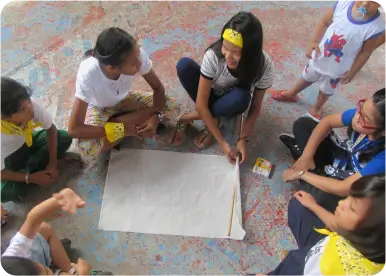
Formerly Cascade Group Volunteers (CGVs) – are community members trained by FH on nutrition, hygiene, and the importance of education and a peaceful home for a child’s well-being. CHAs then share the information, tips, and practical advice to other households or neighborhood circles.
 Trainings on WASH, disease prevention, and in-home care management
Trainings include topics on the first 1,000 days (F1KD); community integrated management of childhood illnesses (CIMCI); infant and young child feeding (IYCF); routine immunization; school-based nutrition; and water, sanitation, and hygiene (WASH).
 Dietary and micronutrient supplementation
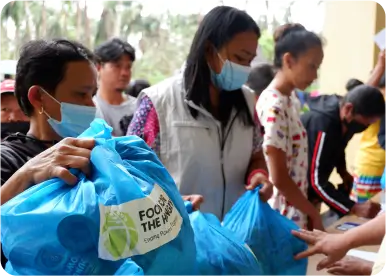
FH provides supplementation through hot meals or vitamins/minerals (e.g. Iron Folic Acid) to complement local initiatives of the Department of Health in communities.
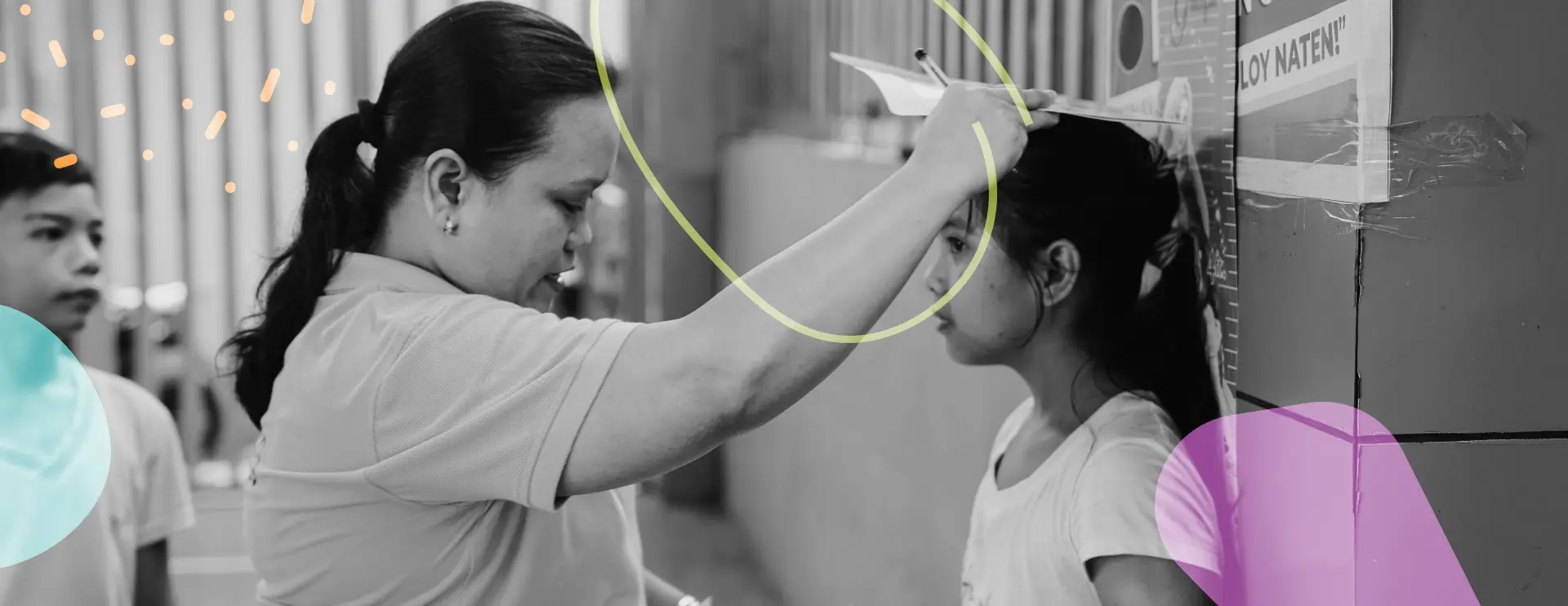
To help children focus and incentivize class attendance, FH organizes 120-180-day school or community-based supplemental feeding projects for children identified as malnourished (underweight, wasted, or stunted). These activities go hand in hand with nutrition education for caregivers. In some areas, families are taught backyard gardening so that they will have a source of vegetables or fruit.
 Advocacy for health leadership and improved quality of local health action plans
FH encourages active participation of community members in the decision-making process of their local governments when it comes to health action plans and budget. Interventions complement rather than replicate health services offered by the Department of Health.
 Maternal care
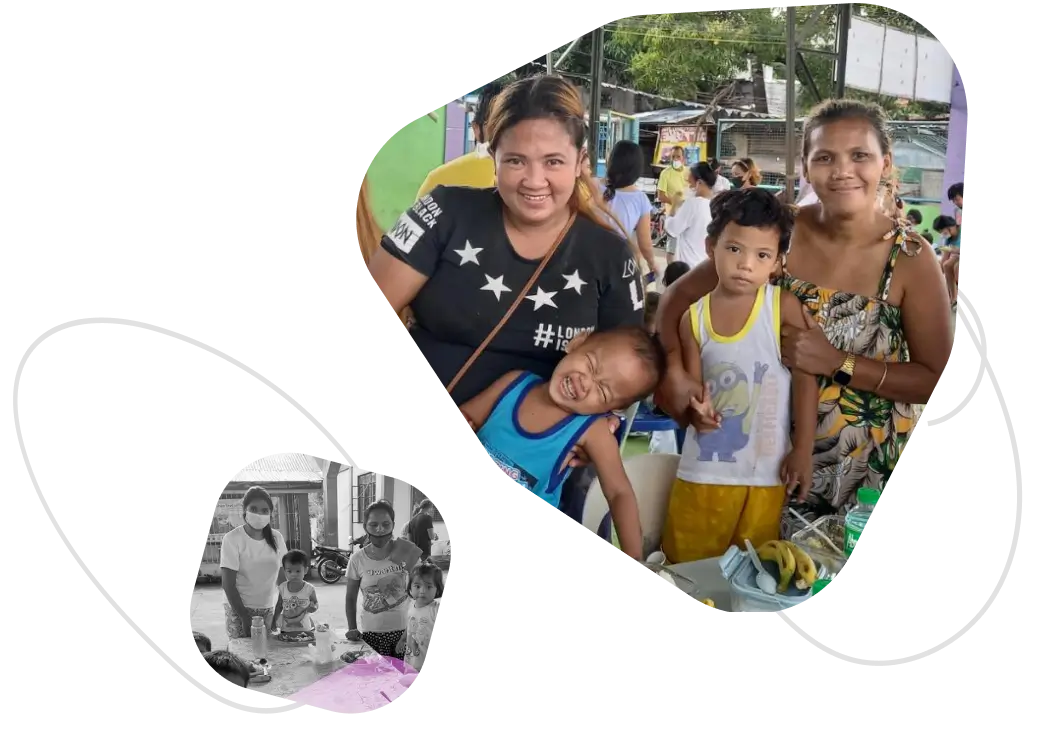
Maternal care includes essential care for the physical and mental well-being of pregnant and lactating mothers. FH advocates for exclusive breastfeeding of children 0-6 months old and complementary feeding of children 6-23 months old.